
ECOLAR · FARMING SOLUTIONS
Choose Enfarm equipment with Ecolar.
Tell Ecolar about your crop and farm size. We handle equipment-selection enquiries and quotations for Enfarm soil-monitoring solutions.

Measure soil
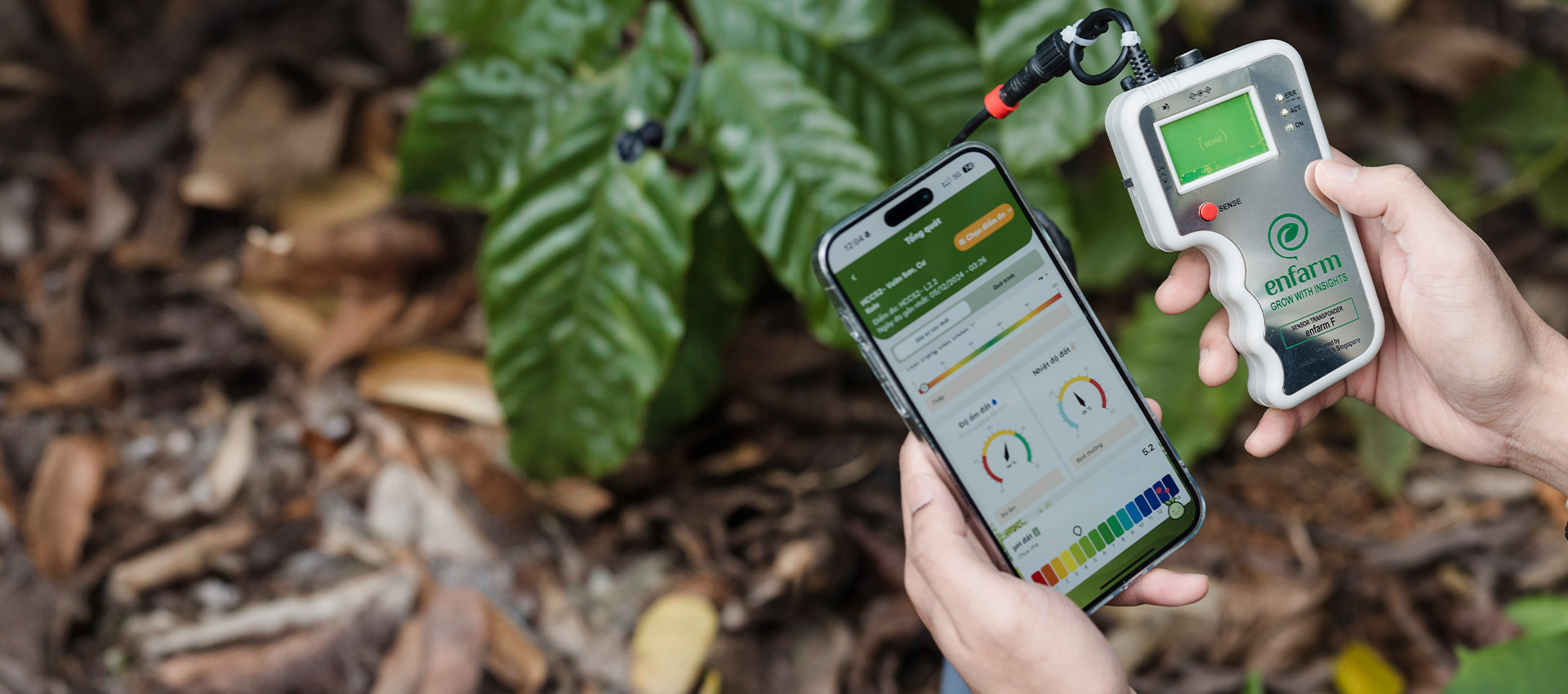
N-P-K, moisture, temperature, EC and pH

AI guidance
Enfarm AI guidance for crop-care questions

Informed crop care
Use data to inform irrigation and fertilization
Enfarm develops soil-sensing technology that helps growers understand soil conditions and make more informed crop-care decisions. Ecolar distributes Enfarm equipment and handles enquiries about device configurations and quotations based on your crop, farm size and management needs.
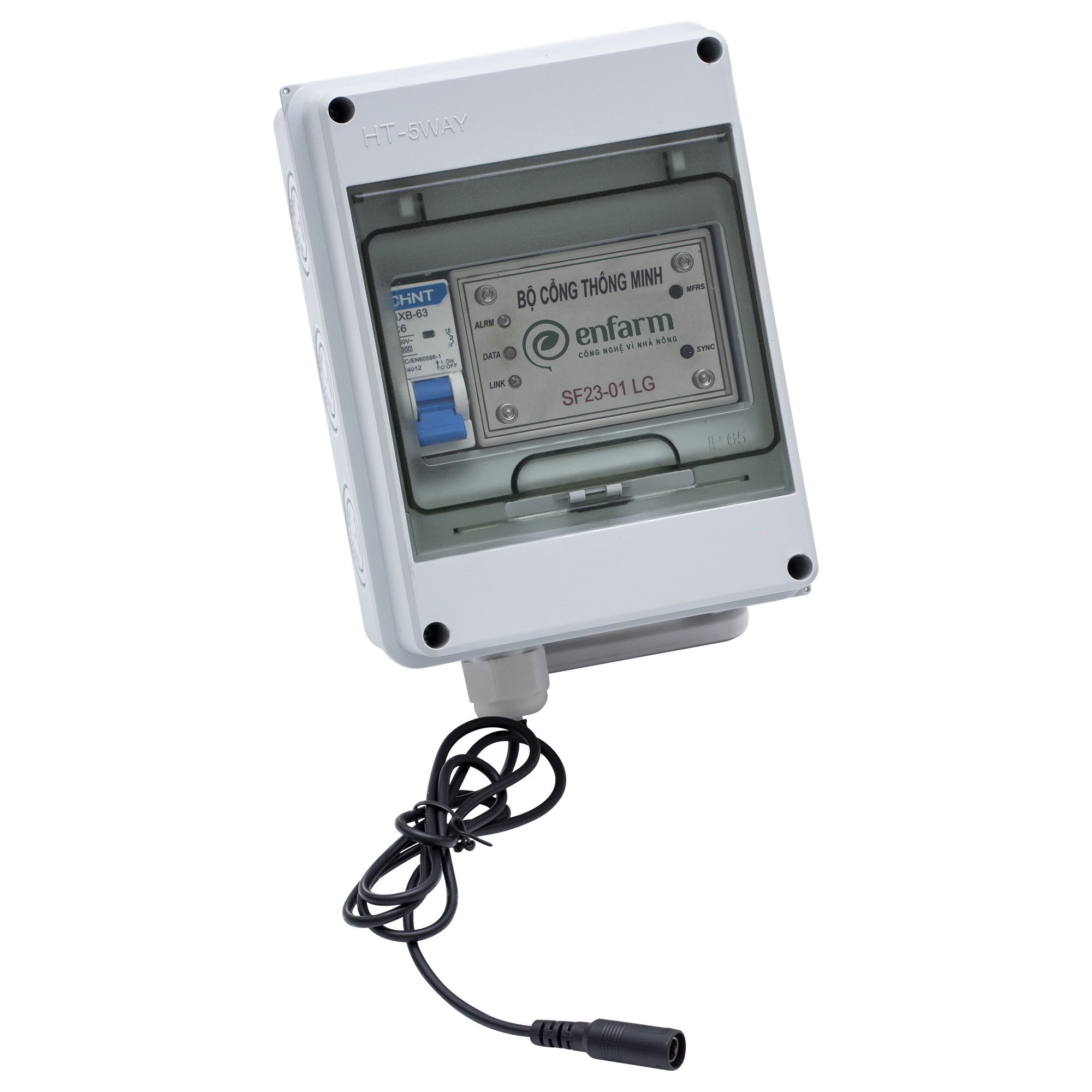
Gateway 
An intermediary device that receives data from sensors and delivers it to users’ app via enfarm cloud, enabling farmers to easily monitor and analyze.
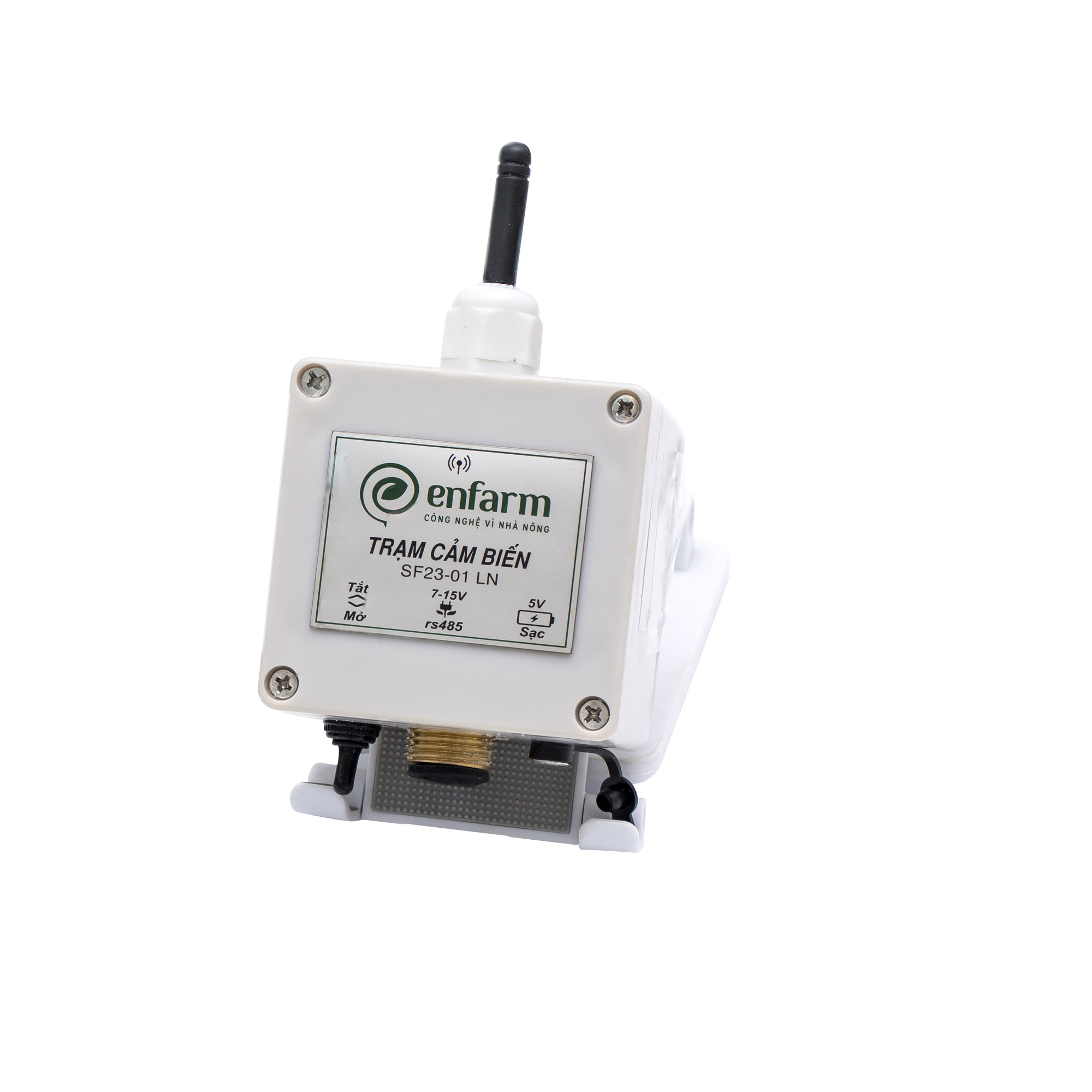
Sensor station
Collects data from the soil and environment, then transmits it to the gateway and the Enfarm Cloud, enabling visualization in the Enfarm app and FM platform.
ENFARM APP
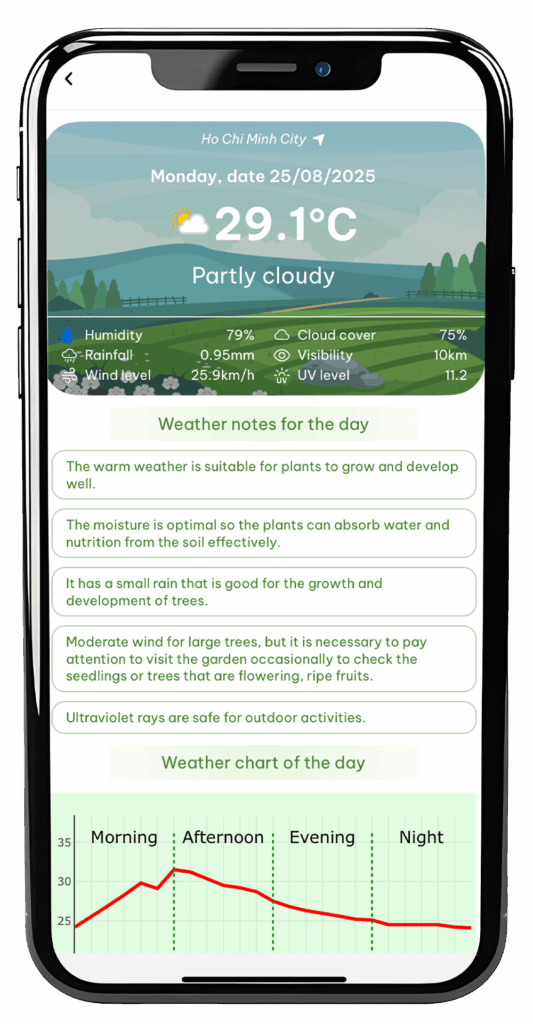
DOWNLOAD ENFARM APP NOW


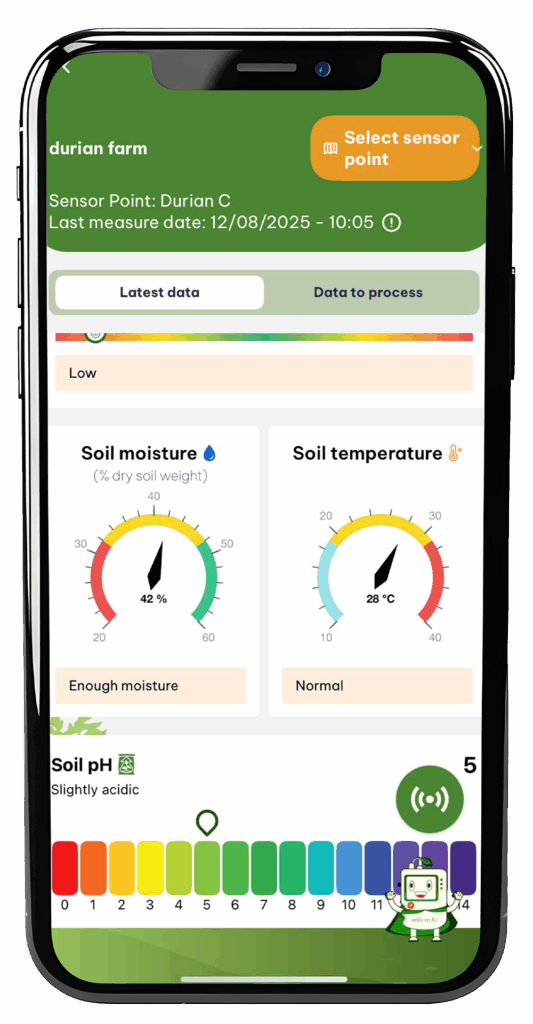
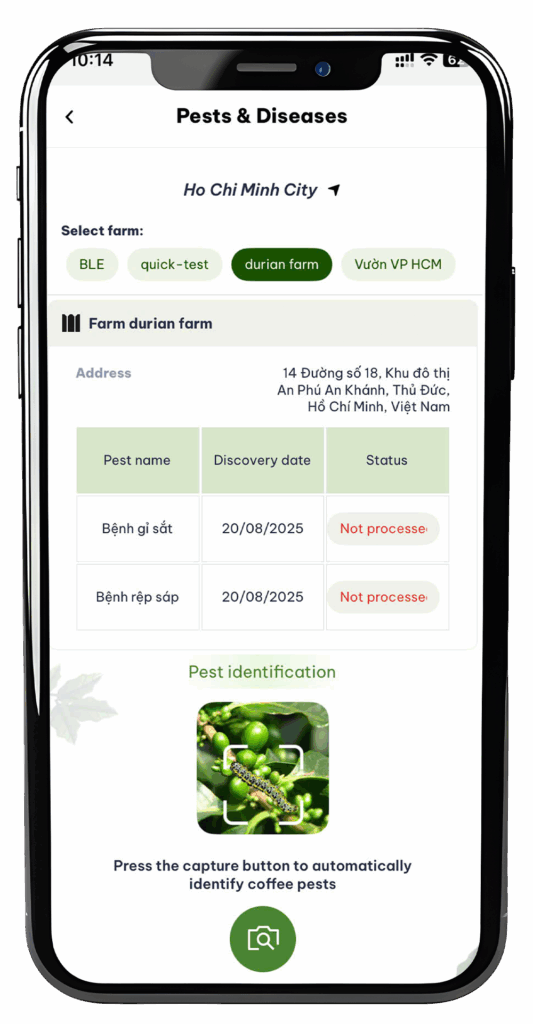
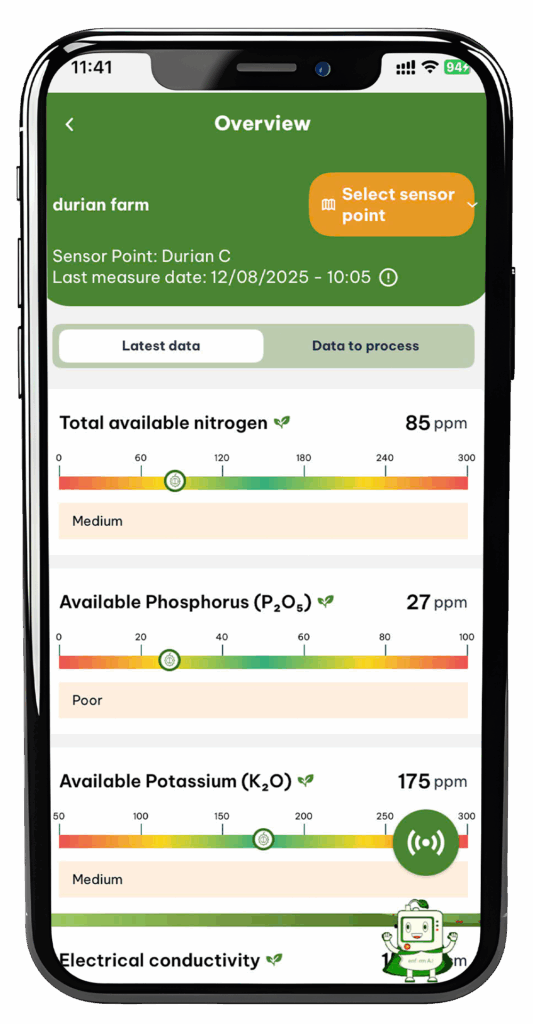
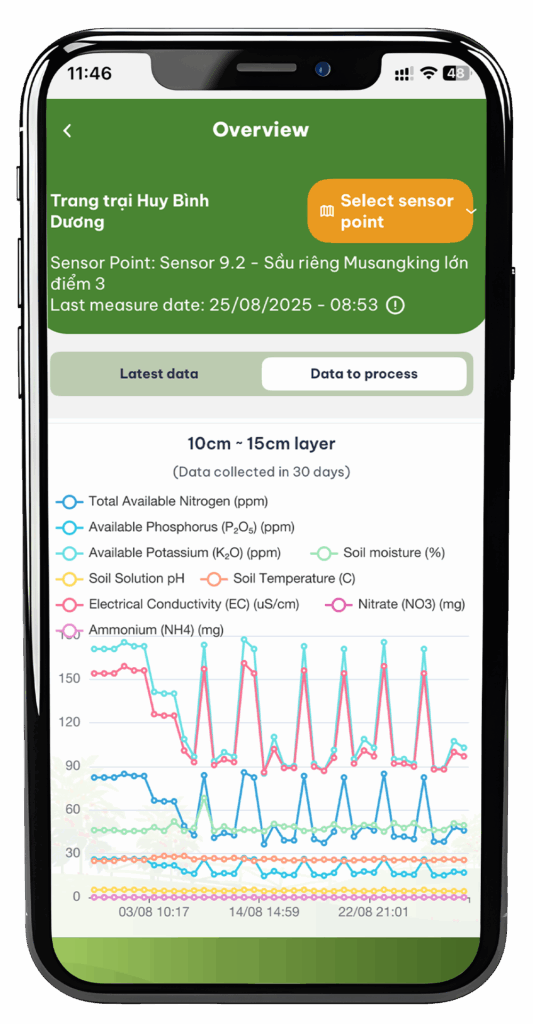
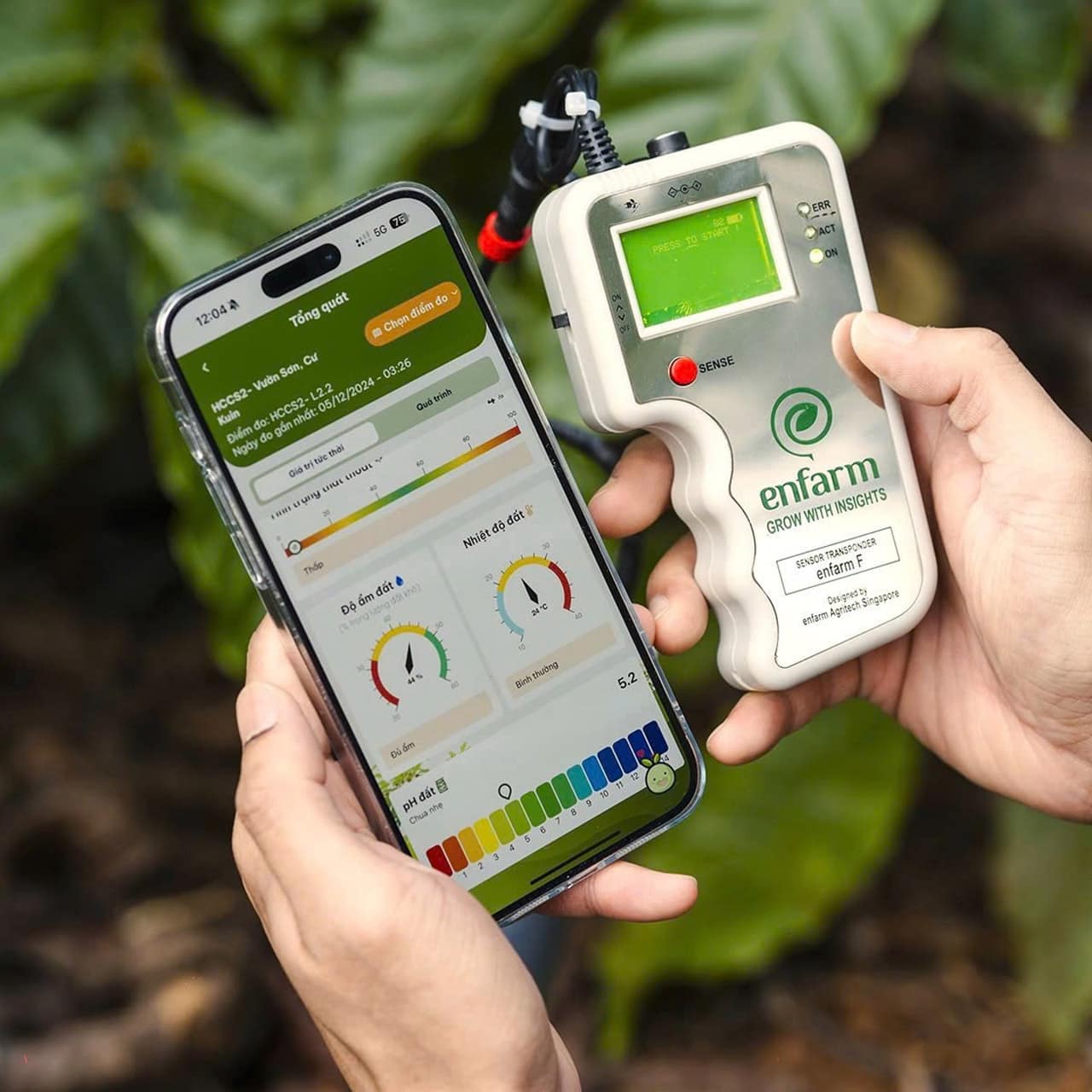
ENFARM APP — GROW WITH INSIGHTS POWERED BY AI
The Enfarm app makes farming more profitable and sustainable—delivering tailored crop guidance, early pest and disease alerts, a digital farming handbook, and instant AI-powered support at lower financial and environmental cost.
MANUFACTURED WITH ADVANCED PRECISION
Enfarm designs and manufactures devices in Saigon Hi-tech Park (Vietnam).
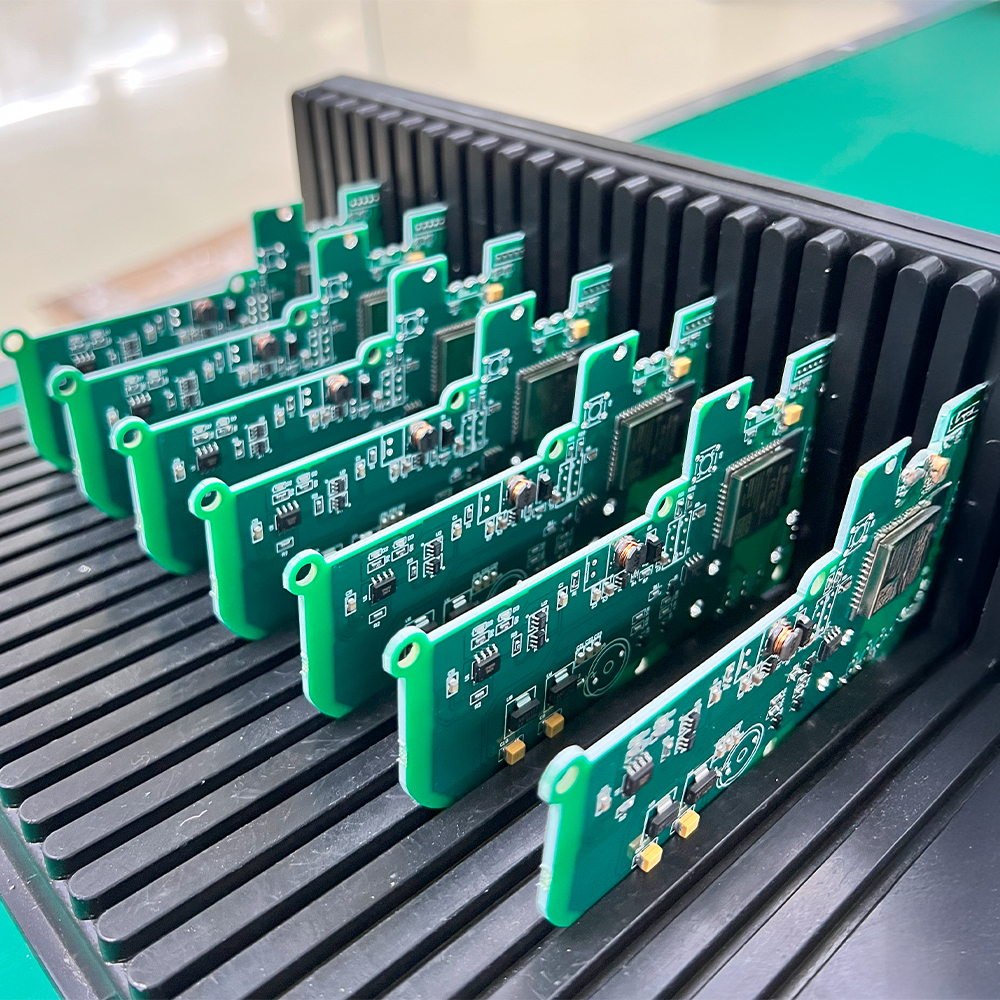
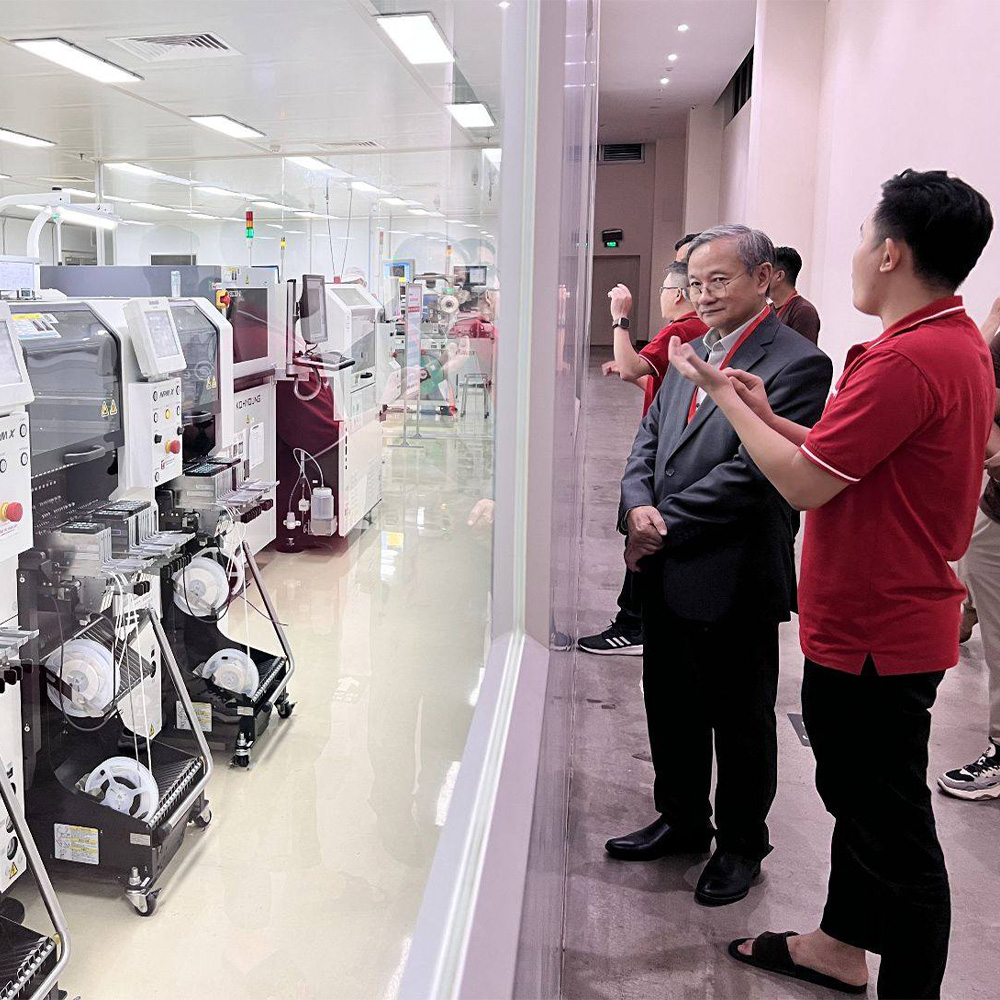
Enfarm devices are built in a state-of-the-art high-tech facility on the latest high-speed SMT lines and validated through rigorous testing in modern R&D labs. Combining deep manufacturing experience with cutting-edge technology, Enfarm delivers devices that are durable, precise, and reliable—so you can run smarter farms, optimize costs, and increase yields at scale.
Sản phẩm
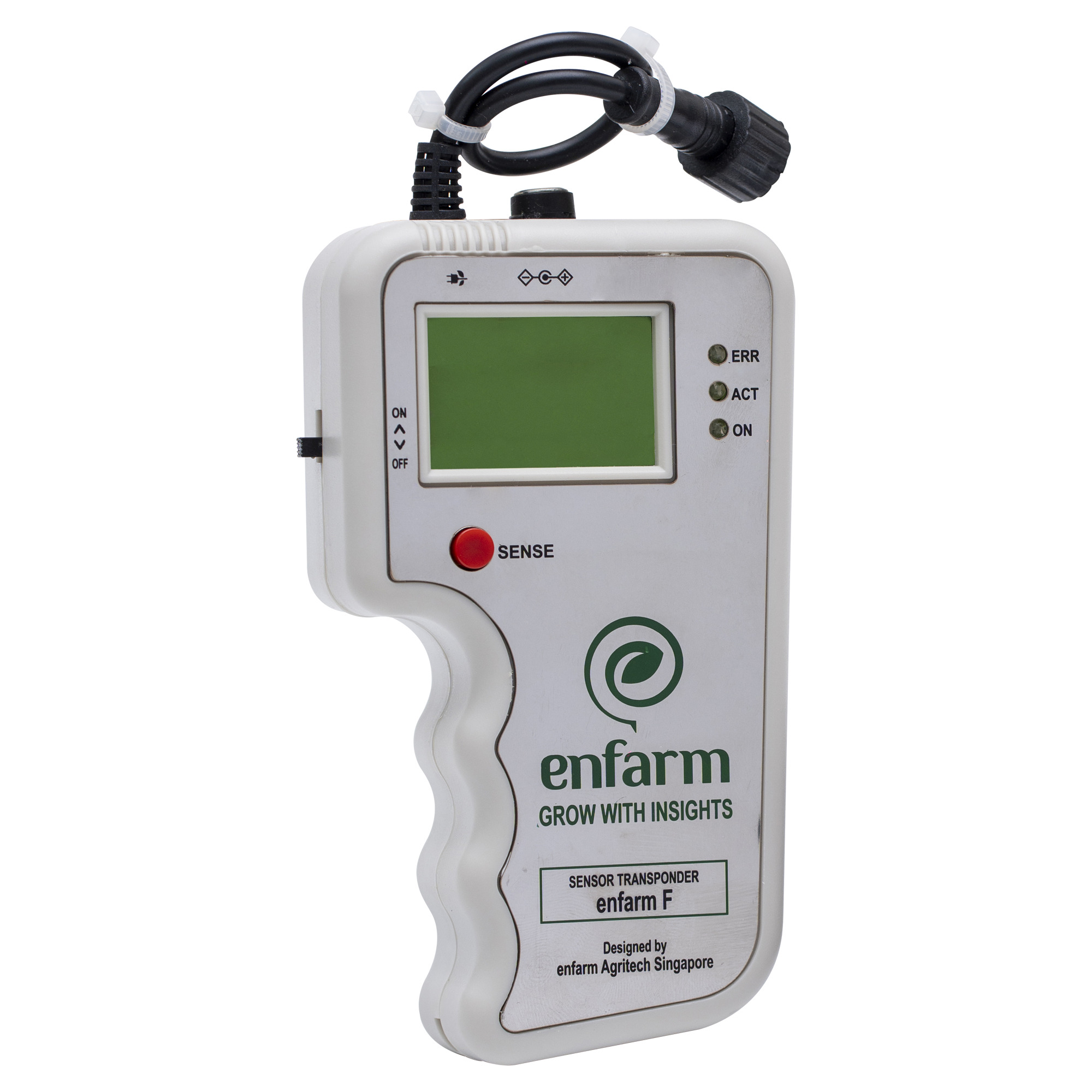
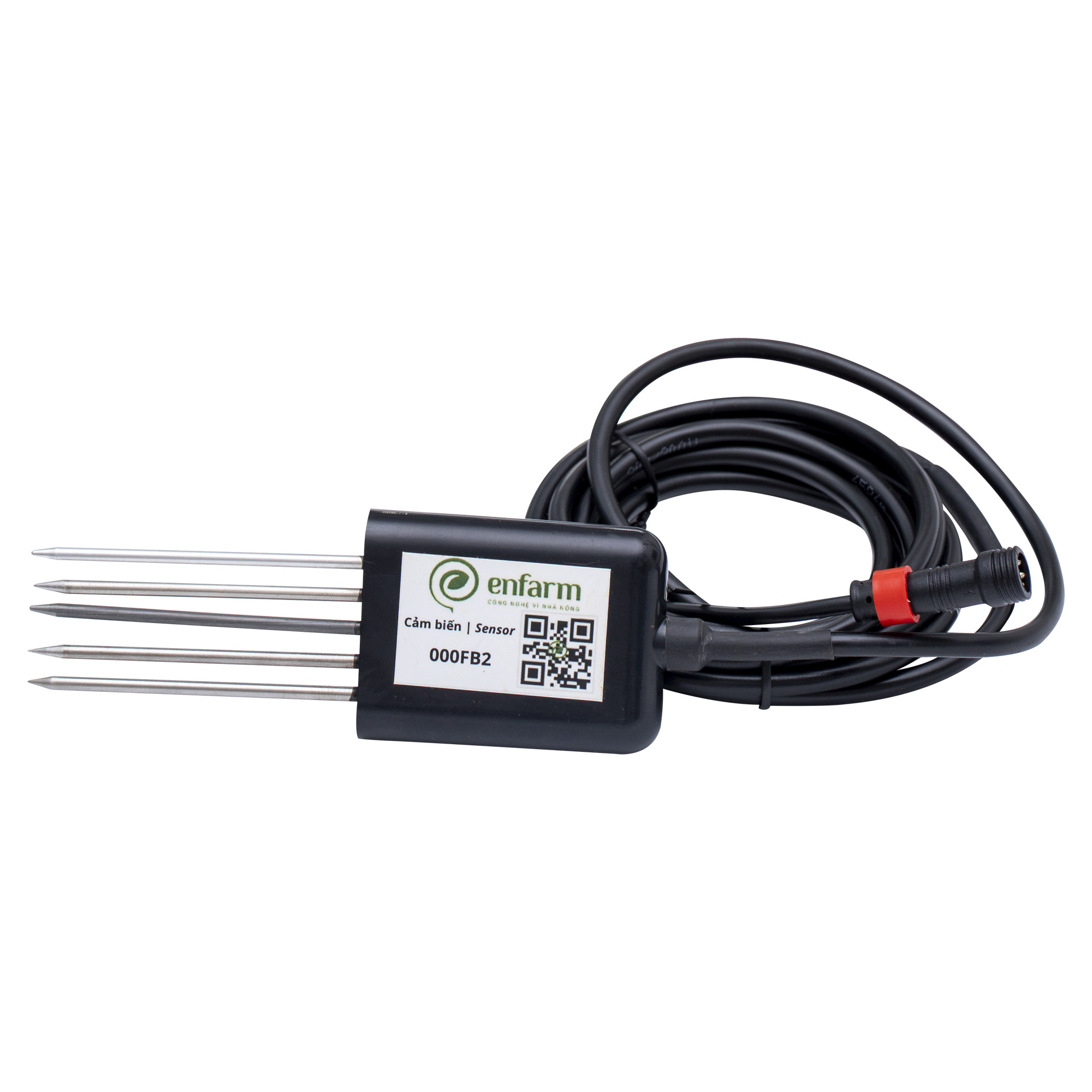
Choose the components around your needs: transponder, sensor, gateway or sensor station. Ecolar handles enquiries about configurations for spot measurements or automated farm monitoring.
Gateway
An intermediary device that receives data from sensors and delivers it to users’ app via enfarm cloud, enabling farmers to easily monitor and analyze.
Sensor station
Collects data from the soil and environment, then transmits it to the gateway then enfarm cloud for processing, analysis, and demonstration in the enfarm app and fm platform.
Frequently Asked Questions
What problem does Enfarm solve?
Enfarm brings soil readings together to support irrigation and fertilization decisions. The equipment measures seven parameters: nitrogen, phosphorus, potassium, pH, moisture, temperature and electrical conductivity. Ecolar helps you discuss a configuration for your crop, farm size and monitoring needs.
How accurate is Enfarm’s sensing?
Our ML-powered sensors deliver 92–98% alignment with ISO-certified lab results, validated on thousands of samples across diverse soils.
How does the system work end-to-end?
Two deployment flows:
Enfarm F: Sensor → Transponder → User smartphone (Enfarm app) → Enfarm Cloud → insights in the app & Enfarm FM. Ideal for smallholder/distributed plots.
Enfarm F+: Sensor Stations → Gateway → Enfarm Cloud → insights in the app & Enfarm FM: Built for estates and multi-field fleets.
Coming soon: Enfarm’s Edge devices — on-prem/offline devices running AI locally for remote or privacy-sensitive deployments.
Do you support offline or on-prem operation?
Yes. Enfarm’s Edge Device (propotype completed) runs AI models locally for remote sites without internet/phone signal or for strict data-privacy needs.
Which crops are supported? Can you add new ones?
Enfarm sensors work with most of soil types. Regarding enfarm AI-powered recommendations, we support ~20 major crops (e.g., coffee, durian, pepper, banana, and more). Need another crop? We typically onboard it in 2 weeks–2 months, depending on complexity and data availability.
In which regions is Enfarm available?
Currently enfarm technology can work in ~50 countries, including most of Asia and North Africa. Contact us to confirm country coverage and deployment options.
How does Enfarm scale across large estates?
Bulk provisioning, fleet dashboards, OTA updates, and role-based access take you from pilot to multi-region portfolios. The architecture is also cost-efficient at scale:
- Enfarm F: One Transponder can serve multiple sensor points/plots, syncing via the Enfarm app to the Cloud—reducing hardware and connectivity costs.
- Enfarm F+: Each Gateway aggregates multiple Sensor Stations across nearby fields before sending to the Cloud—lowering per-hectare CAPEX/OPEX and simplifying ops.
What connectivity options are available?
- Cellular: LTE-M / NB-IoT / 4G (with fallback where available) to Enfarm Cloud.
- LoRaWAN (F+): Sensor Stations connect to a nearby Gateway; the Gateway backhauls via cellular or local network.
Offline operation (F): The Transponder continues receiving data from multiple sensors even without signal, caches it locally, and auto-syncs to the Enfarm app and Enfarm FM once connectivity is restored.
Do you support offline or on-prem operation?
Yes. Enfarm Edge (in development) runs AI models locally for remote sites without internet/phone signal or for strict data-privacy needs, with optional periodic sync/export.
How can we procure Enfarm hardware?
You can buy devices outright or lease them. Leasing is available to qualified enterprise customers with minimum order sizes.
Are there subscriptions or data fees?
If you buy Enfarm devices, it’s a one-time payment with no subscription or data fee for standard service and 12-month cloud retention. (Optional extended retention is available on request.)
Information about Enfarm equipment is for reference. Ecolar confirms applicable pricing and terms in the quotation.
What is the warranty?
All Enfarm devices include a 1-year limited warranty.
Information about Enfarm equipment is for reference. Ecolar confirms applicable pricing and terms in the quotation.
How long do sensors last?
Sensors are recommended for use within 2 years. Enfarm provides support for up to 3 years or 3,000 measurements per sensor, whichever comes first.
Who owns the data?
You do. Enfarm stores your data securely and makes it available for access and export at any time. Full details are covered in your agreement.
How long is data retained?
Standard retention is 12 months, with optional extended retention available on request.
Can we export our data?
Yes—one-click Excel (.xlsx) export is available in Enfarm FM.
What ROI can we expect?
Results vary by crop and region. In coffee programs, Enfarm has shown ~30% yield increase with ~30% less fertilizer, translating to ~70% higher grower income vs. conventional practice. Request a demo for a tailored ROI model.
How does Enfarm support sustainability and reporting
Enfarm measures and reports nitrous oxide (N₂O) reductions at the field level, quantifies input and water savings, and provides MRV-ready outputs aligned with frameworks like the GHG Protocol/Scope 3. These reports can support participation in eligible carbon credit programs (with optional third-party verification), alongside live monitoring and traceability across your fields.